Ⅰ. The Common Problem at Medium-Sized Mines
At medium-sized mines and hard-rock quarries, output is often bottle necked at the primary crusher. If the jaw is too small, the downstream cone crusher and mill are starved and the whole line idles. If the jaw is too large, relocation costs go up. At mines in places like Qinghai, Heilongjiang, Hunan, and Xinjiang, winter temperatures drop to minus thirty degrees, and old machines start only after blow torching the oil pan for half an hour — and even then, not always. In summer at high altitude, diesel power drops off. When primary crushing fails, the entire concentrator stops, and the loss is calculated by the hour.
 Ⅱ. What This Machine Is and Who It Is For
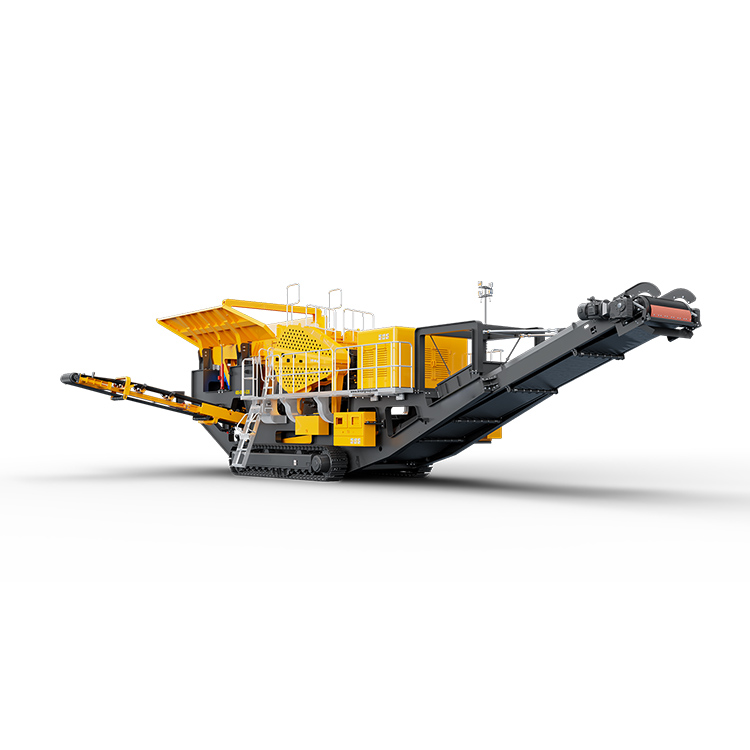
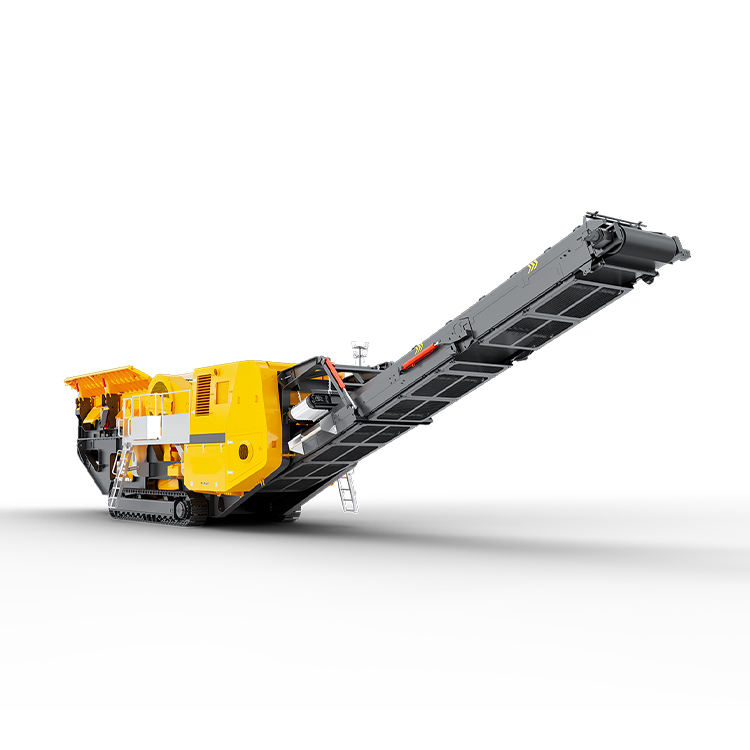
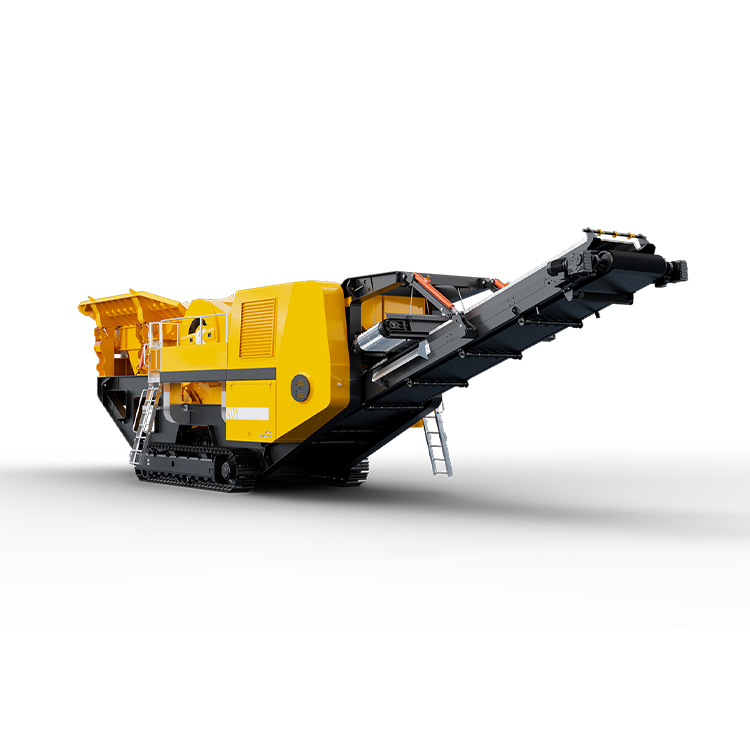
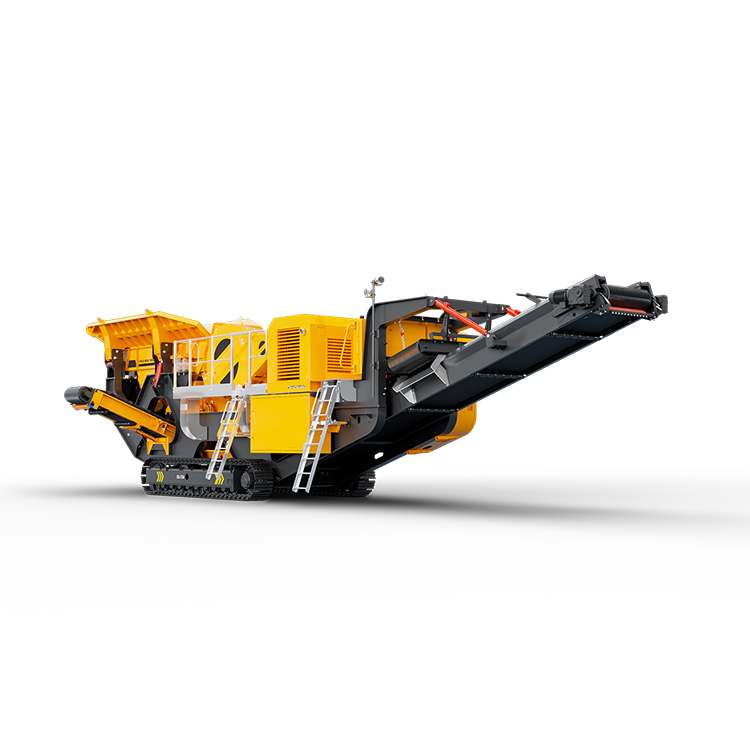
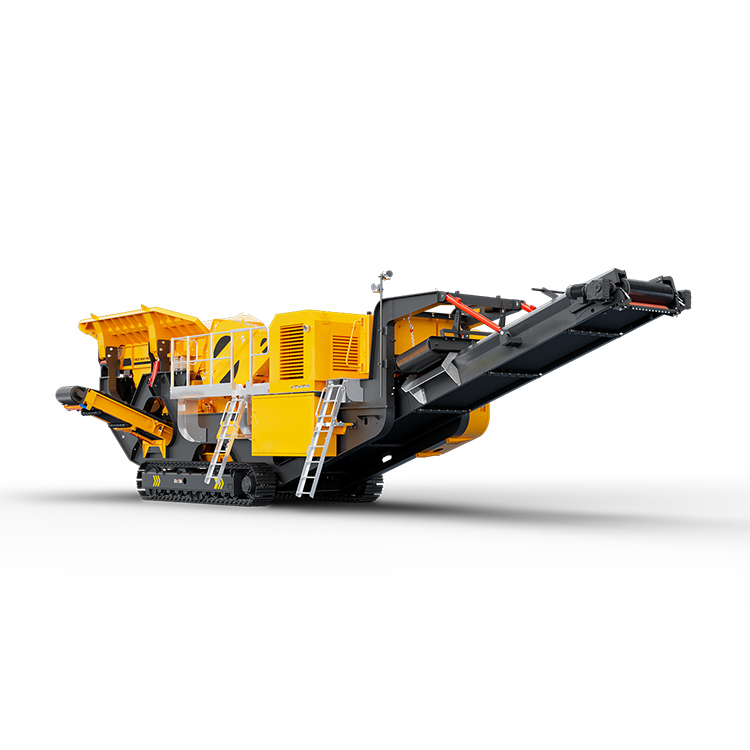
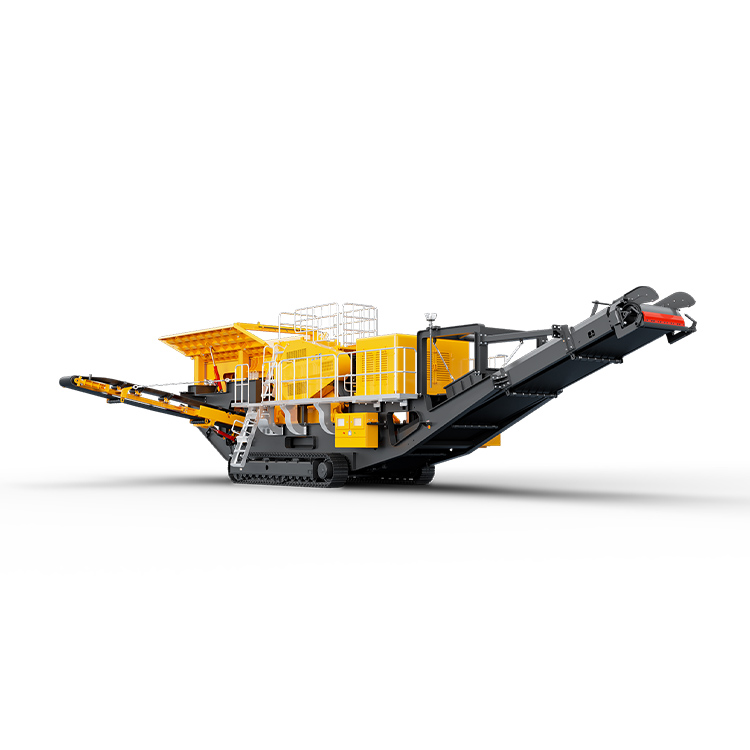
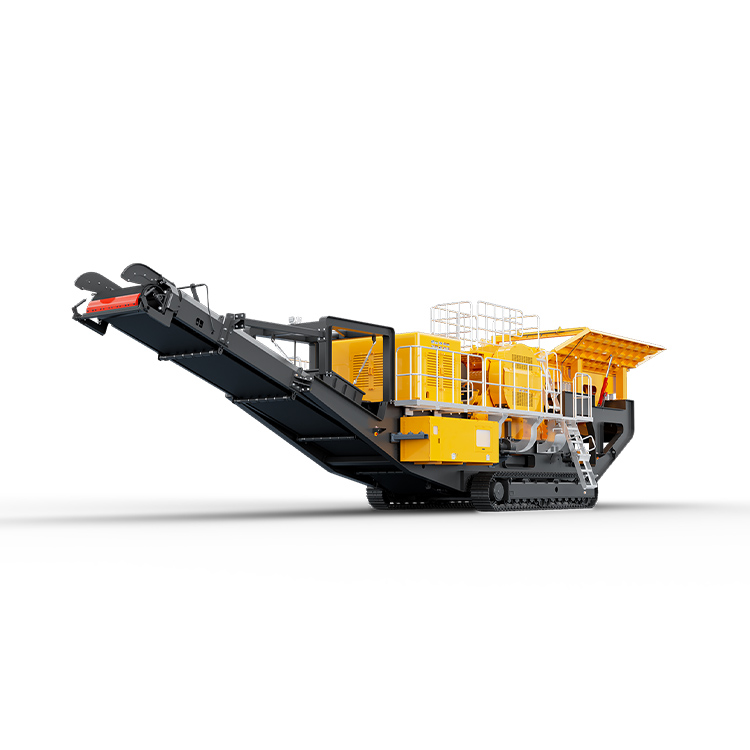
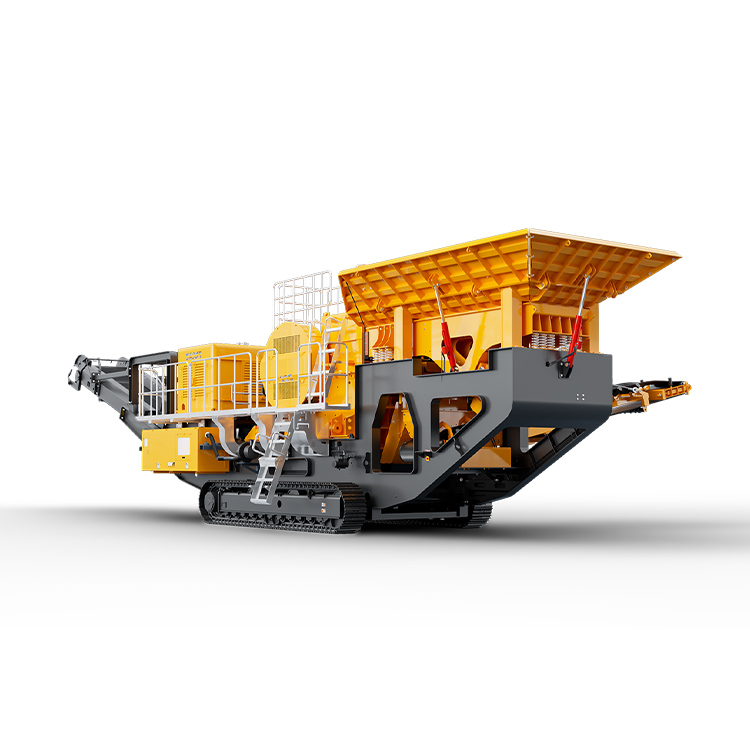
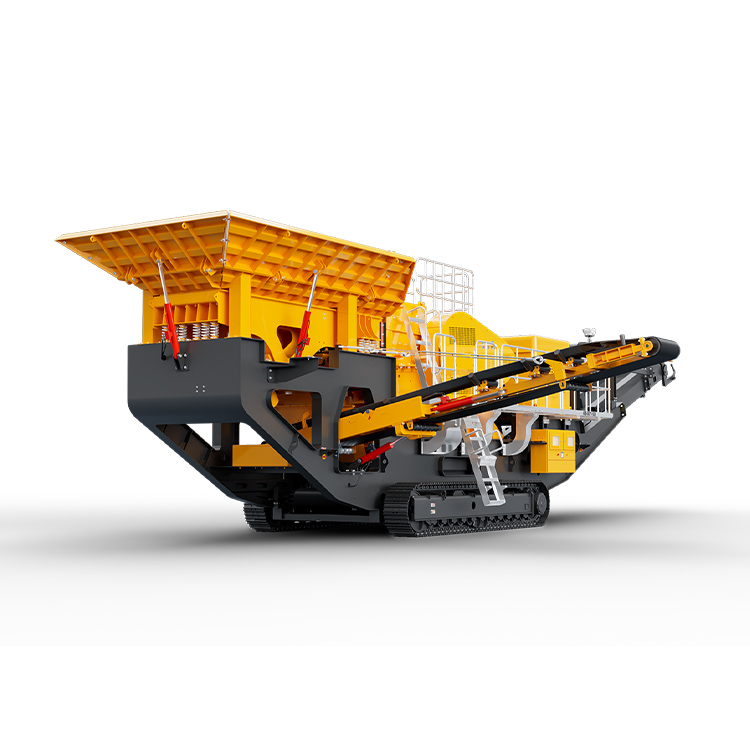
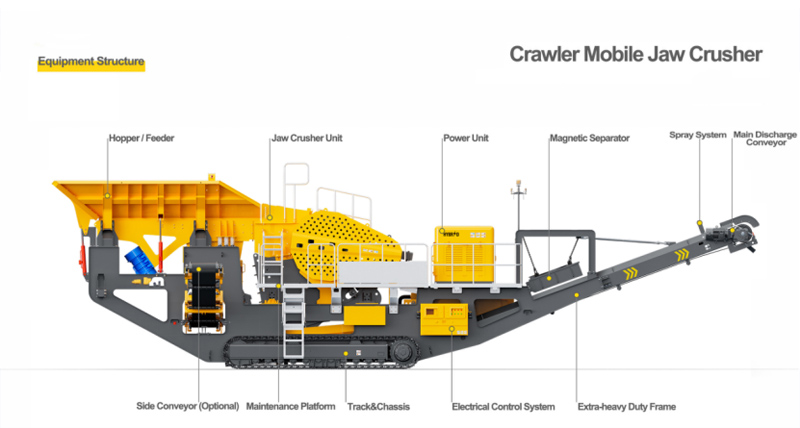
The Granite mobile jaw crusher is our main medium-sized tracked diesel jaw for mines, positioned as primary crushing for metal mines and hard-rock operations processing several hundred to over a thousand tonnes per day. It is typically paired downstream with our tracked cone crusher to form a complete line. It has been deployed as the primary crusher at lead-zinc mines in Qinghai, granite operations in Heilongjiang, basalt projects in Hunan, and basalt projects in Xinjiang.
Ⅲ. Core Selling Points
- Deep-cavity jaw designed for hard rock — lead-zinc ore, granite, basalt feed in without slipping or packing.
- Downstream cone crusher delivers a stable 180–200 t/h line output. Uniform jaw product means longer cone roll life and better yield.
- Hydraulic CSS adjustment with tramp-iron release: if iron slips past the front magnet and enters the chamber, press a button to back it out — no broken toggle plate.
- Cold-start package optional: -40°C first-attempt startup. No blowtorch on the oil pan in Qinghai or Heilongjiang winters.
- High-altitude power compensation: minimal derate above 3,000 m in Xinjiang and Yunnan; no summer power loss.
- Optional pre-grizzly on the feeder: dirt and fines are separated before the main crusher, so the jaw eats only coarse rock — output goes up another notch.
- Heavy track chassis climbs ramps on its own; no dozer needed on muddy mine roads.
- Main-current interlock controls the feeder: when load rises, feeder slows automatically — no choking. Up time runs 5% higher than hand-fed operation.
Ⅳ. Technical Specifications
Ⅴ. Suitable Applications and Materials
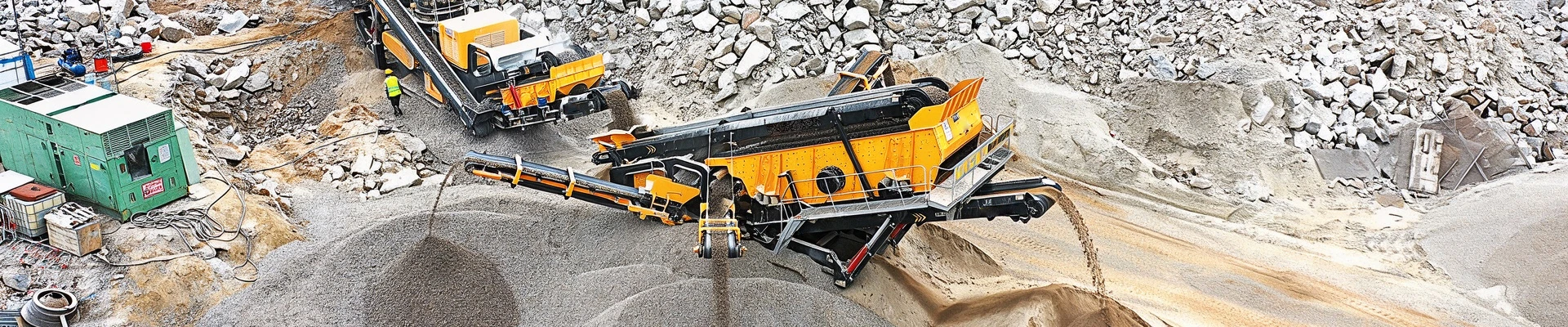
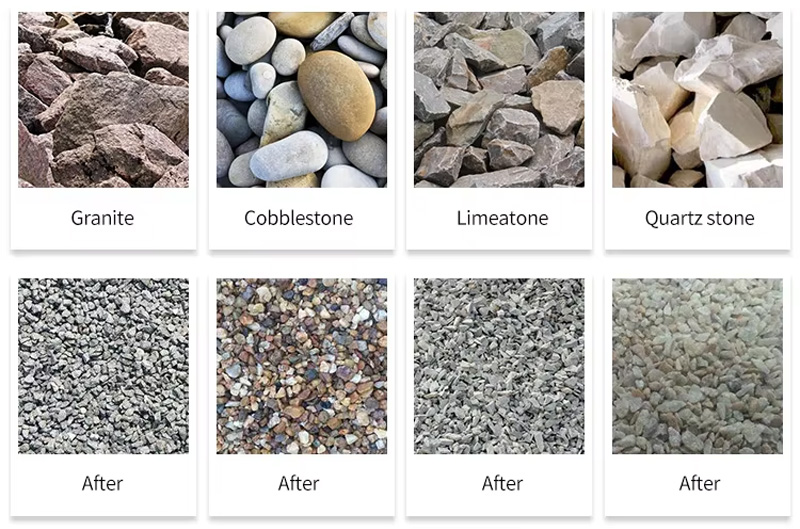
The Granite mobile jaw crusher is used in four typical applications: primary crushing at metal mines (lead-zinc, iron, copper ore); medium-to-large primary crushing at granite and basalt quarries; on-site volume reduction at large tunnel headings; and primary crushing for dam and highway sub-base aggregate. Downstream it is typically paired with a tracked cone crusher and tracked screen to form a complete mobile line from run-of-mine to saleable product.
Ⅵ. Power Version Differences
The Granite mobile jaw crusher comes in two versions. The E3246 is the diesel version, driven by a Cummins or Weichai engine powering a Stamford alternator, which in turn drives the crusher motor. It is designed for remote mines without grid power and for work faces that relocate frequently. If your mine already has industrial power and runs on a fixed site long-term, look at the E3246E electric version. If mains power is unstable, our hybrid solution is the next step. Exact weight, power, and feed-opening dimensions are issued per project configuration sheet.
Ⅶ. FAQ
Q: How does it pair with a cone crusher?
A: The Granite mobile jaw crusher discharges via conveyor directly onto our tracked cone crusher, which then feeds a tracked screen producing three saleable products. The complete line runs at 180–200 tonnes per hour; output size and CSS are set to the customer’s product spec.
Q: How much power derate at high altitude?
A: Ordinary diesel engines lose 15–20% at 3,000 m. We match the injection pump, air filter, and cooling to the site altitude, targeting derate under 5%. Exact figures are calibrated on site.
Q: Can it start at -30°C in winter?
A: Standard is -20°C; -40°C requires the optional coolant preheat, oil preheat, and diesel trace heating. For Qinghai and Heilongjiang projects we generally spec the cold package, and customers report first-attempt startup.
Q: Can I add screening later?
A: Yes. The E3246 has a reserved conveyor discharge point, so you can later add a tracked cone crusher and tracked screen to expand into a complete line without changing the main crusher.
At medium-sized mines and hard-rock quarries, output is often bottle necked at the primary crusher. If the jaw is too small, the downstream cone crusher and mill are starved and the whole line idles. If the jaw is too large, relocation costs go up. At mines in places like Qinghai, Heilongjiang, Hunan, and Xinjiang, winter temperatures drop to minus thirty degrees, and old machines start only after blow torching the oil pan for half an hour — and even then, not always. In summer at high altitude, diesel power drops off. When primary crushing fails, the entire concentrator stops, and the loss is calculated by the hour.
The Granite mobile jaw crusher is our main medium-sized tracked diesel jaw for mines, positioned as primary crushing for metal mines and hard-rock operations processing several hundred to over a thousand tonnes per day. It is typically paired downstream with our tracked cone crusher to form a complete line. It has been deployed as the primary crusher at lead-zinc mines in Qinghai, granite operations in Heilongjiang, basalt projects in Hunan, and basalt projects in Xinjiang.
Ⅲ. Core Selling Points
- Deep-cavity jaw designed for hard rock — lead-zinc ore, granite, basalt feed in without slipping or packing.
- Downstream cone crusher delivers a stable 180–200 t/h line output. Uniform jaw product means longer cone roll life and better yield.
- Hydraulic CSS adjustment with tramp-iron release: if iron slips past the front magnet and enters the chamber, press a button to back it out — no broken toggle plate.
- Cold-start package optional: -40°C first-attempt startup. No blowtorch on the oil pan in Qinghai or Heilongjiang winters.
- High-altitude power compensation: minimal derate above 3,000 m in Xinjiang and Yunnan; no summer power loss.
- Optional pre-grizzly on the feeder: dirt and fines are separated before the main crusher, so the jaw eats only coarse rock — output goes up another notch.
- Heavy track chassis climbs ramps on its own; no dozer needed on muddy mine roads.
- Main-current interlock controls the feeder: when load rises, feeder slows automatically — no choking. Up time runs 5% higher than hand-fed operation.
Ⅳ. Technical Specifications
| Item | Specification |
| Model | MST-E3246 |
| Power type | Diesel drive (Cummins/Weichai engine + Stamford alternator) |
| Crusher | Medium deep-cavity tracked jaw (mine primary crushing) |
| Matched line capacity (with cone) | 180–200 t/h |
| Operating weight | Per final configuration sheet |
| Installed power | Per final configuration sheet |
| Feed opening | Per final configuration sheet |
| Max feed size | Per final configuration sheet |
| CSS adjustment | Hydraulic, calibrated per project |
| Tramp iron protection | Hydraulic release + toggle plate protection |
| Cold-start package | -40°C preheat system optional |
| Track chassis | Strickland heavy-duty track chassis |
| Dust suppression | Water spray, standard |
| Electrical | Schneider / Siemens |
| Operating temperature | -40°C to +40°C |
Ⅴ. Suitable Applications and Materials
The Granite mobile jaw crusher is used in four typical applications: primary crushing at metal mines (lead-zinc, iron, copper ore); medium-to-large primary crushing at granite and basalt quarries; on-site volume reduction at large tunnel headings; and primary crushing for dam and highway sub-base aggregate. Downstream it is typically paired with a tracked cone crusher and tracked screen to form a complete mobile line from run-of-mine to saleable product.
Ⅵ. Power Version Differences
The Granite mobile jaw crusher comes in two versions. The E3246 is the diesel version, driven by a Cummins or Weichai engine powering a Stamford alternator, which in turn drives the crusher motor. It is designed for remote mines without grid power and for work faces that relocate frequently. If your mine already has industrial power and runs on a fixed site long-term, look at the E3246E electric version. If mains power is unstable, our hybrid solution is the next step. Exact weight, power, and feed-opening dimensions are issued per project configuration sheet.
Ⅶ. FAQ
Q: How does it pair with a cone crusher?
A: The Granite mobile jaw crusher discharges via conveyor directly onto our tracked cone crusher, which then feeds a tracked screen producing three saleable products. The complete line runs at 180–200 tonnes per hour; output size and CSS are set to the customer’s product spec.
Q: How much power derate at high altitude?
A: Ordinary diesel engines lose 15–20% at 3,000 m. We match the injection pump, air filter, and cooling to the site altitude, targeting derate under 5%. Exact figures are calibrated on site.
Q: Can it start at -30°C in winter?
A: Standard is -20°C; -40°C requires the optional coolant preheat, oil preheat, and diesel trace heating. For Qinghai and Heilongjiang projects we generally spec the cold package, and customers report first-attempt startup.
Q: Can I add screening later?
A: Yes. The E3246 has a reserved conveyor discharge point, so you can later add a tracked cone crusher and tracked screen to expand into a complete line without changing the main crusher.