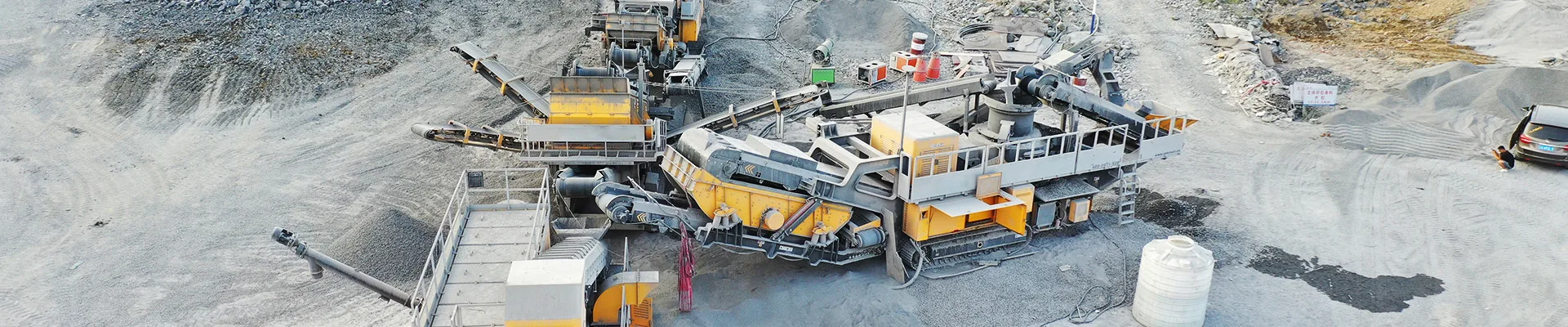
Choosing the Right Tracked Jaw Crushing Equipment for Your Needs
Understanding Tracked Jaw Crushers
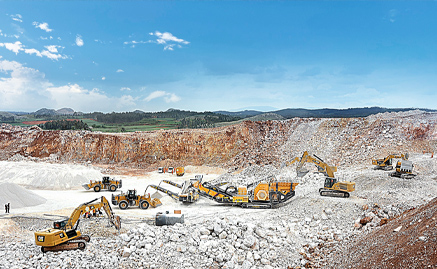
Tracked jaw crushers are a popular choice among contractors and operators due to their mobility and versatility. These machines are designed for **primary crushing** applications and can easily be transported between job sites. Here’s a closer look at what makes these machines essential for your operations.
What is a Tracked Jaw Crusher?
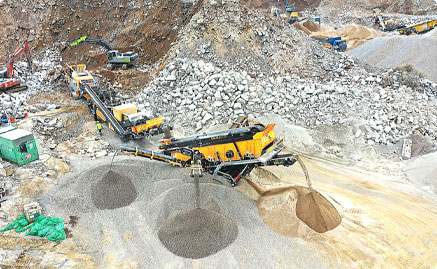
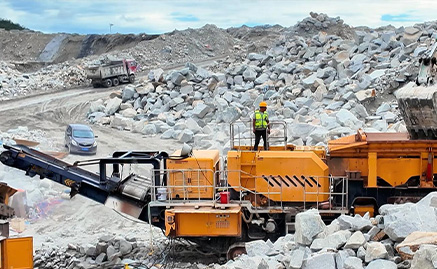
A tracked jaw crusher is a mobile crushing unit featuring a hydraulic drive system that allows for easy maneuverability. With a robust design, they are built to handle the toughest materials, making them an ideal solution for applications that require high levels of reliability and durability.
Key Components of a Tracked Jaw Crusher
- Jaw Plate: The primary crushing surface, where material is fed and crushed between two jaws.
- Chassis: The strong frame that supports the entire structure and houses the components.
- Drive System: Provides power and enables mobility. Hydraulic drives are commonly used for their efficiency.
- Feeding System: Ensures a smooth and consistent flow of material into the crushing chamber.
Why Choose Tracked Jaw Crushing Equipment?
The advantages of using tracked jaw crushing equipment are numerous. Here are some compelling reasons why you should consider this type of machinery for your operations.
Enhanced Mobility and Versatility
Tracked jaw crushers are designed to be easily transported. Their **crawler track systems** provide superior traction and stability on various terrains, making them ideal for remote locations or uneven surfaces.
High Crushing Efficiency
These machines are engineered for **high throughput** and efficiency. The powerful jaw design ensures robust crushing capability, allowing operators to process a wide range of materials quickly and effectively.
Reduced Operational Costs
With the right tracked jaw crusher, you can achieve lower operational costs through reduced fuel consumption and maintenance. Their advanced technology allows for optimal performance while minimizing wear and tear on components.
Factors to Consider When Choosing Tracked Jaw Crushing Equipment
Selecting the right tracked jaw crushing equipment involves a careful evaluation of several key factors. Here’s what you need to consider:
1. Material Type and Size
Understanding the material you intend to crush is crucial. Different materials, such as concrete, asphalt, or limestone, may require specialized jaw designs or settings. Additionally, consider the size of the feed material—this will influence your choice of jaw opening and crushing capacity.
2. Production Requirements
Assess your production needs in terms of through put and end product size**. Knowing how much material you need to process daily will help you choose a machine with the right capacity and features.
3. Mobility and Transportability
If your operations involve moving between different job sites frequently, prioritize mobility features. Look for tracked models with quick setup times and easy transportation options.
4. Power and Performance
Choose a tracked jaw crusher with a robust engine that can maintain consistent performance under load. Pay attention to horsepower and torque ratings, as these will impact your machine’s efficiency and crushing capability.
5. Maintenance and Support
Evaluate the manufacturer’s reputation for providing **after-sales service and support**. Regular maintenance is essential for the longevity of your equipment. Ensure you have access to spare parts and experienced technicians.
Types of Tracked Jaw Crushers
Not all tracked jaw crushers are created equal. Here are some common types available in the market today:
1. Single Toggle Jaw Crushers
These models feature a single moving jaw that crushes material against a fixed jaw. They are often simpler in design and easier to maintain.
2. Double Toggle Jaw Crushers
Double toggle jaw crushers utilize two moving jaws, providing greater crushing force. They are ideal for handling larger and tougher materials but may require more maintenance.
3. Hybrid Models
Hybrid tracked jaw crushers combine both electric and hydraulic drives, offering flexibility in power sources. They can reduce fuel costs while maintaining high performance.
Essential Features to Look For
When evaluating different tracked jaw crushers, certain features can enhance your operation significantly.
1. Advanced Control Systems
Look for equipment with integrated control systems that allow for easy operation and monitoring. Features such as remote control and automation can improve efficiency.
2. High-Quality Jaw Plates
Invest in machines that offer durable and replaceable jaw plates. This ensures extended operational life and reduces downtime associated with wear and tear.
3. Effective Dust Suppression
Dust control systems are essential for maintaining a safe work environment. Choose equipment that includes features to manage dust generation during crushing.
Buying vs. Renting Tracked Jaw Crushing Equipment
Deciding whether to buy or rent tracked jaw crushing equipment can significantly affect your cash flow and operational efficiency. Here’s a breakdown of the pros and cons of each option.
Buying Tracked Jaw Crushing Equipment
**Pros**:
- Long-term investment
- Greater control over maintenance and usage
- Potential for resale value
**Cons**:
- High upfront costs
- Responsible for maintenance and repairs
Renting Tracked Jaw Crushing Equipment
**Pros**:
- Lower upfront costs
- Flexibility to choose different models as needed
- Manufacturer handles maintenance and repairs
**Cons**:
- Ongoing rental costs
- Limited control over equipment usage
FAQs About Choosing Tracked Jaw Crushing Equipment
1. What is the typical lifespan of a tracked jaw crusher?
The lifespan of a tracked jaw crusher can vary based on usage and maintenance but generally ranges from 10 to 15 years with proper care.
2. How do I know which size jaw crusher to choose?
Consider the size of the material you need to crush and the desired output size. Consult manufacturer specifications to find the right match for your needs.
3. Are tracked jaw crushers suitable for recycling applications?
Absolutely! Tracked jaw crushers are ideal for recycling materials such as asphalt and concrete due to their versatility and efficiency.
4. How do I maintain a tracked jaw crusher?
Regular inspections, lubrication of moving parts, and timely replacement of worn components are essential for maintaining a tracked jaw crusher.
5. What type of fuel do tracked jaw crushers use?
Most tracked jaw crushers operate on diesel fuel, but hybrid models may offer alternative power sources.
Conclusion
Choosing the right tracked jaw crushing equipment is a pivotal decision that can greatly influence your operational efficiency and productivity. By considering factors such as material type, production requirements, mobility, and maintenance, you can select a machine that aligns perfectly with your needs. Evaluate the different types of tracked jaw crushers and their essential features to make an informed choice. Whether you decide to buy or rent, ensuring that you have the right equipment will pave the way for successful crushing operations. Stay informed and empowered in your decision-making process, and unlock the true potential of your crushing endeavors.